Best Seasons for Roof Vent Flashing Repairs
Roof vent flashing repairs are most effectively performed during dry, mild weather conditions. Avoiding periods of heavy rain, snow, or extreme temperatures helps ensure proper sealing and adhesion of materials. Spring and early fall are generally ideal seasons, as weather tends to be more stable and temperatures are moderate.
Spring and fall offer the best conditions for roof vent flashing repairs due to moderate temperatures and lower precipitation levels.
Perform repairs during dry weather to prevent moisture interference and ensure proper sealing of flashing components.
Ideal temperatures for flashing repairs typically range between 45°F and 75°F, promoting optimal adhesion and curing of sealants.
Avoid repairs during winter and peak summer months when extreme cold or heat can compromise materials and workmanship.
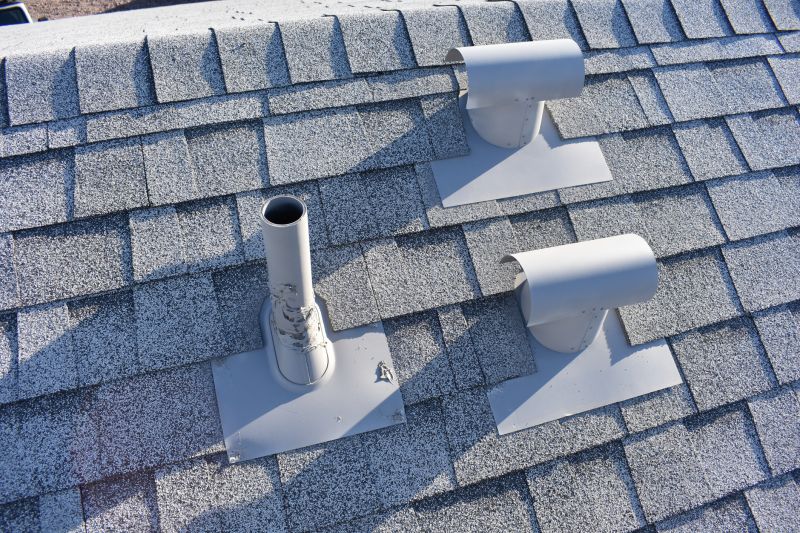
Properly sealed flashing in dry conditions prevents water intrusion and prolongs roof life.

Spring and fall are ideal for inspecting and repairing roof vent flashing before extreme weather arrives.
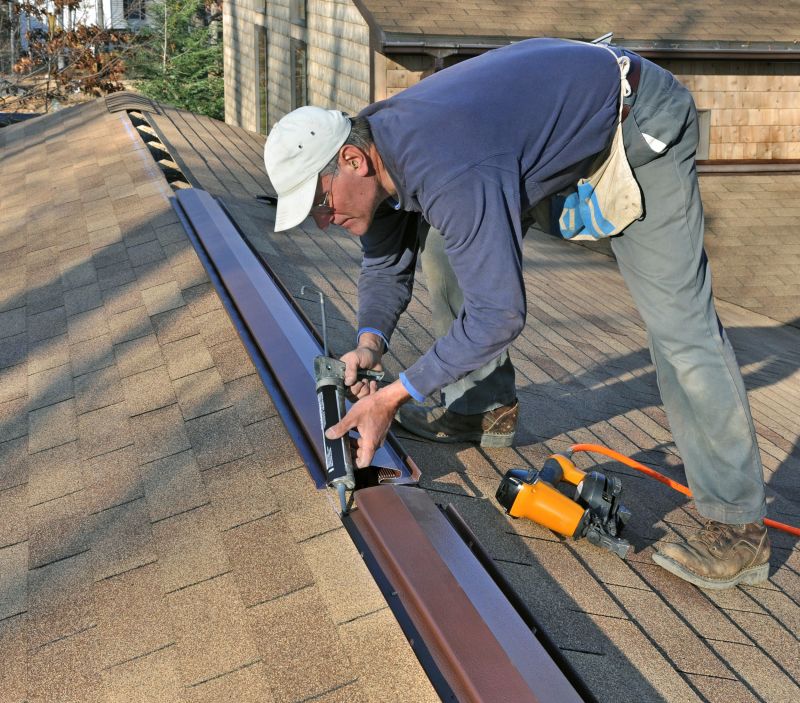
Optimal weather allows for effective application of sealants and flashing materials.

Ways to make Roof Vent Flashing Repairs work in tight or awkward layouts.
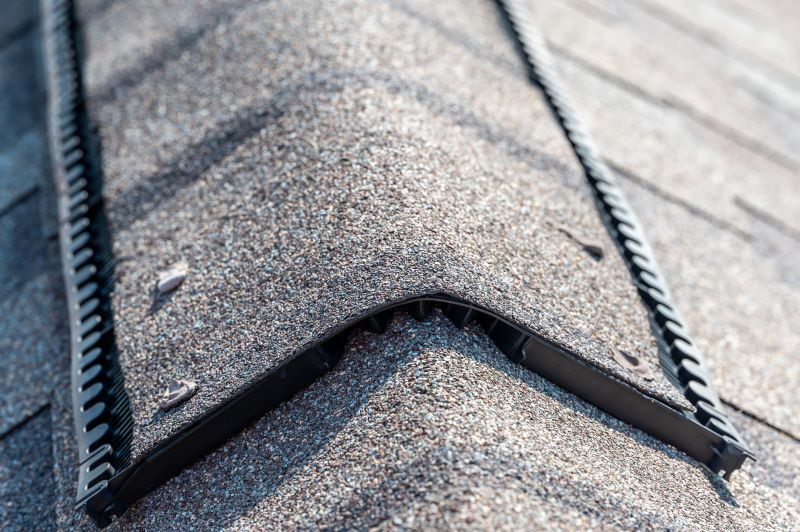
Popular materials for Roof Vent Flashing Repairs and why they hold up over time.

Simple add-ons that improve Roof Vent Flashing Repairs without blowing the budget.
| Season | Weather Conditions |
|---|---|
| Spring | Moderate temperatures, low precipitation |
| Summer | High temperatures, risk of heat-related issues |
| Fall | Cooler temperatures, dry weather |
| Winter | Cold, snow, and ice risks |
Roof vent flashing repairs are essential for maintaining the integrity of a roofing system. Flashing helps prevent water intrusion around vents, chimneys, and other roof penetrations. Properly installed and maintained flashing can significantly extend the lifespan of a roof and reduce the risk of leaks. Statistics indicate that improperly sealed or damaged flashing is responsible for a large percentage of roof leaks, leading to costly repairs and potential structural damage.

Corrosion and physical damage compromise waterproofing.
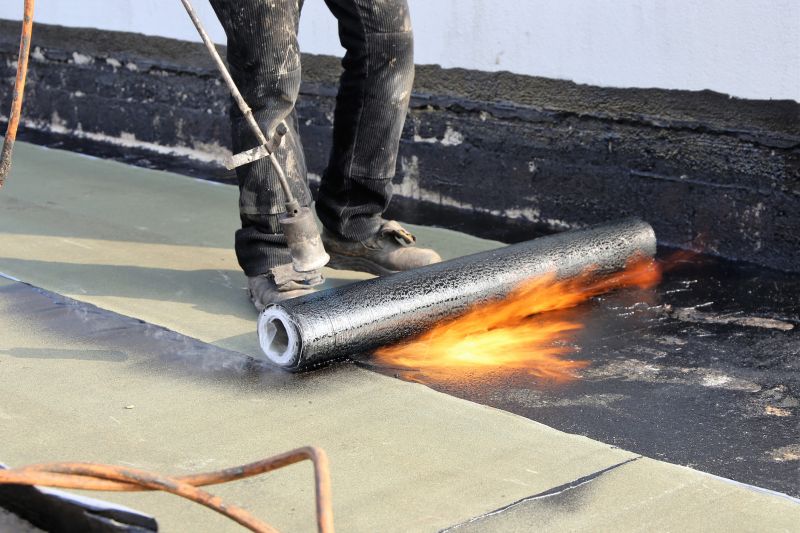
Ensures a watertight seal around roof vents.

Regular inspections catch issues early before leaks develop.
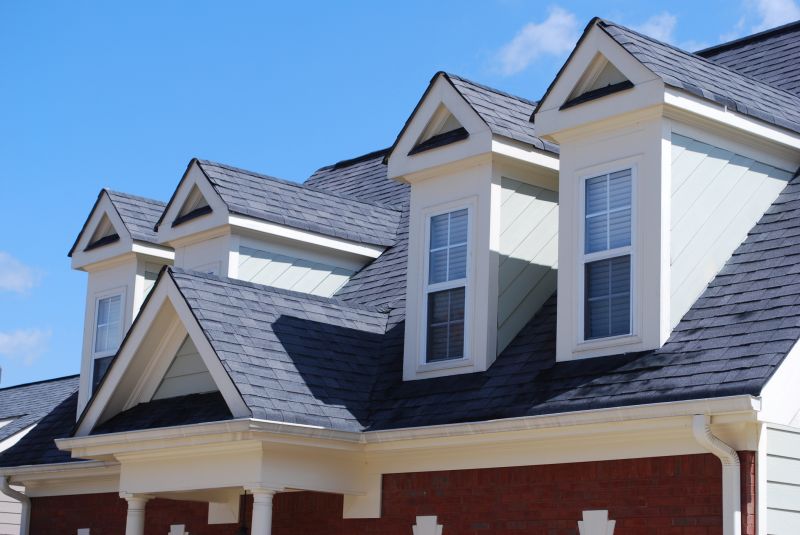
Proper installation during favorable weather conditions enhances durability.
Fill out the contact form to schedule an inspection or repair service.